European University
On This Page
MBBS in Bosnia and Herzegovina at European University Brčko
Planning to study MBBS in Bosnia and Herzegovina? European University Brčko, located in the Brčko District, offers internationally recognized MD/MBBS, Dentistry, and Pharmacy programs that follow the Bologna Process — the same academic standard used across the European Higher Education Area. With affordable tuition, modern laboratories, and a safe multicultural campus, it's one of the top choices for Indian students seeking quality medical education abroad in 2026.
About European University Brčko
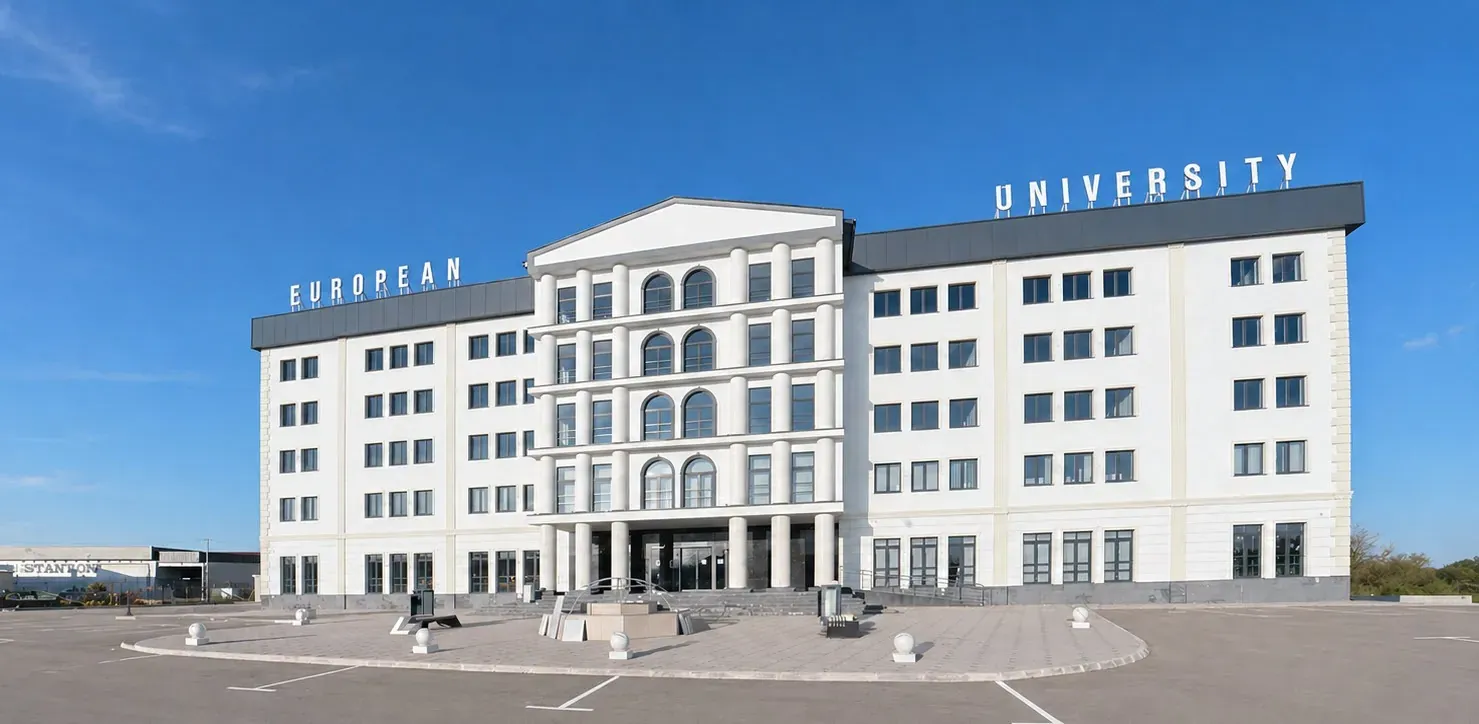
Established with a vision to deliver high-quality European education, European University Brčko is one of Bosnia & Herzegovina's most respected private universities. It offers internationally oriented programs across Medicine, Health Sciences, Engineering, Business, Law, Political Science, and Education.
Located in the vibrant city of Brčko, the university combines modern academic infrastructure with practical learning, research, and innovation, preparing students for successful global careers through student-centered, Bologna Process-aligned education.
European University Brčko at a Glance
Located in Brčko, Bosnia & Herzegovina. European-standard education following the Bologna Process. International, student-friendly campus. Programs in Medicine, Health Sciences, Engineering, Business, Law and more. Experienced academic and professional faculty. Modern laboratories and practical learning facilities. Student-centered teaching with research opportunities. 50+ study programs, 7 faculties, 3000+ students.
Why Choose European University Brčko for MBBS?
At European University Brčko, students get European-quality education, hands-on clinical exposure, and international collaboration opportunities that prepare them for successful global medical careers.
European Education — Quality education aligned with European standards and the Bologna Process.
International Partnerships — Strong collaborations with universities and organizations across Europe and beyond.
Erasmus+ Projects — Active participation in Erasmus+ initiatives and international exchange programs.
Practical Learning — Hands-on training, clinical exposure and real-world experience from day one.
Modern Research Facilities — Advanced laboratories, simulation labs and research centers for innovation.
Experienced Faculty — Learn from qualified professors and industry professionals with global exposure.
Faculty of Medicine, Pharmacy & Health Sciences
Career-focused programs combining academic excellence with practical training and modern teaching methods, designed to shape caring, skilled medical professionals.
Programs offered: Doctor of Medicine (MD/MBBS), Dentistry, Pharmacy, Nursing, Physiotherapy & Occupational Therapy, Radiology, Sanitary Engineering, Sports Management & Coaching.
Academic Opportunities Beyond Medicine
Choose from a diverse range of internationally relevant programs preparing graduates for leadership, innovation, and professional success.
Faculty of Law: Law, Security, Forensics.
Faculty of Economics: Business Administration, Economics, Management, Finance & Accounting.
Faculty of Technical Sciences: Architecture, Civil Engineering, Traffic Engineering, Engineering Informatics.
Faculty of Political Sciences: International Relations, Political Science, Social Work.
Faculty of Education: Primary Education, English Language Education, Special Education.
Faculty of Agriculture: Agriculture Engineering, Food Production & Technology, Animal Husbandry.
Study in Bosnia & Herzegovina — The Heart of Southeast Europe
Bosnia & Herzegovina is a welcoming European nation known for its rich cultural heritage, breathtaking landscapes, and affordable quality of life. Located at the crossroads of Eastern and Western Europe, it gives international students the opportunity to earn a European medical degree in a safe, multicultural, and student-friendly environment.
Country: Bosnia & Herzegovina. Capital: Sarajevo. Language: Bosnian, Croatian & Serbian. Time Zone: Central European Time (CET). University Location: Brčko District. Climate: Four Distinct Seasons. Currency: Convertible Mark (BAM). Nearest International Airports: Tuzla, Sarajevo & Belgrade.
MBBS Admission Process 2026 — Step by Step
- Submit Your Documents — Submit all required documents for eligibility verification.
- Online Interview / Entrance Test — Attend a simple online interview or entrance test conducted by the university.
- Advance Tuition Fee — Upon successful selection, the university issues the tuition fee invoice for advance payment.
- Invitation Letter Application — After receiving the advance payment, the university applies for your official invitation letter.
- Invitation Letter Issued — The official invitation letter is generally issued within 25-30 days.
- Documents Sent to Embassy — The original invitation letter is couriered directly to the Embassy of Bosnia & Herzegovina.
- Visa Application — Our team prepares and submits your complete visa application.
- Biometrics & Visa Interview — Visit the Embassy for biometrics and the visa interview.
- Student Visa Issued — Student visas are generally issued within 25-30 working days.
- Fly to Bosnia — Students are expected to arrive by 15 December 2026. The university can generally facilitate an extension of the arrival deadline if required.
Nearest International Airports
Belgrade Nikola Tesla Airport (Serbia) — approx. 170 km, 2.5-3 hours by road.
Tuzla International Airport (Bosnia & Herzegovina) — approx. 70 km, 1-1.5 hours by road.
Sarajevo International Airport (Bosnia & Herzegovina) — approx. 210 km, 3-3.5 hours by road.
Arrivals Assistance & Student Support
Airport Pickup Assistance, Accommodation Support, University Registration, Local SIM Card Guidance, Bank Account Assistance, Student Orientation, Ongoing Student Support.
Campus Facilities at European University Brčko
The university offers a fully equipped campus designed for practical, hands-on medical training, including anatomy labs, dentistry labs, chemistry labs, computer labs, amphitheatres, a modern library, gym, and comfortable student accommodation.
Facilities include: Anatomy Lab with full-body models and simulation equipment, Dentistry Lab with modern dental chairs and equipment, Chemistry Lab, Computer Lab, Mini/Standard/Large Amphitheatres, Library, Gym, Reception, and apartment-style hostel near the university with double sharing and dormitory-style options.
India & Bosnia and Herzegovina — A Growing Partnership
India and Bosnia & Herzegovina share a warm and growing diplomatic partnership built on trust, mutual respect, and a shared vision for peace and prosperity. Diplomatic relations were established in 1995, and the Embassy of Bosnia & Herzegovina opened in New Delhi in 1997. Today, more than 2,000 Indians — students, professionals, workers, families and entrepreneurs — call Bosnia & Herzegovina home. Indian students studying MBBS in Bosnia can also enjoy authentic Indian, Nepali and Asian cuisine at popular restaurants such as Taj Mahal Indian Restaurant in Sarajevo.
On-Ground Support by Gauranga Study Abroad Consultants
From document submission to airport pickup in Bosnia, Gauranga Study Abroad Consultants Pvt Ltd provides complete end-to-end support for students pursuing MBBS at European University Brčko, including visa processing, accommodation arrangement, university registration, and ongoing support throughout the academic journey.